 629
629 


About Documents
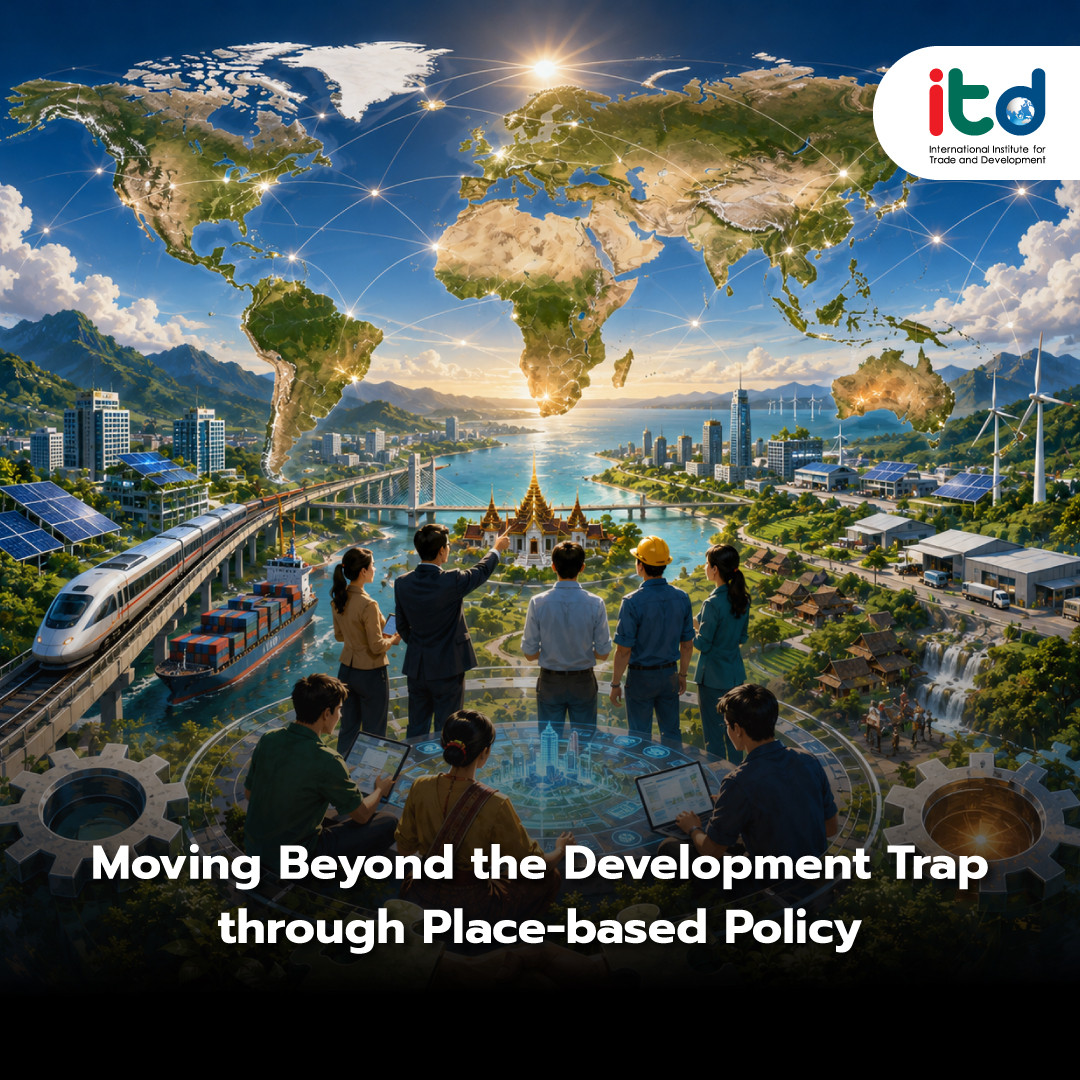
The contemporary world is facing a high degree of uncertainty driven by major structural challenges, including geopolitical transformation, climate change, and demographic shifts. These volatile conditions affect regions unevenly, making conventional development models increasingly inadequate.
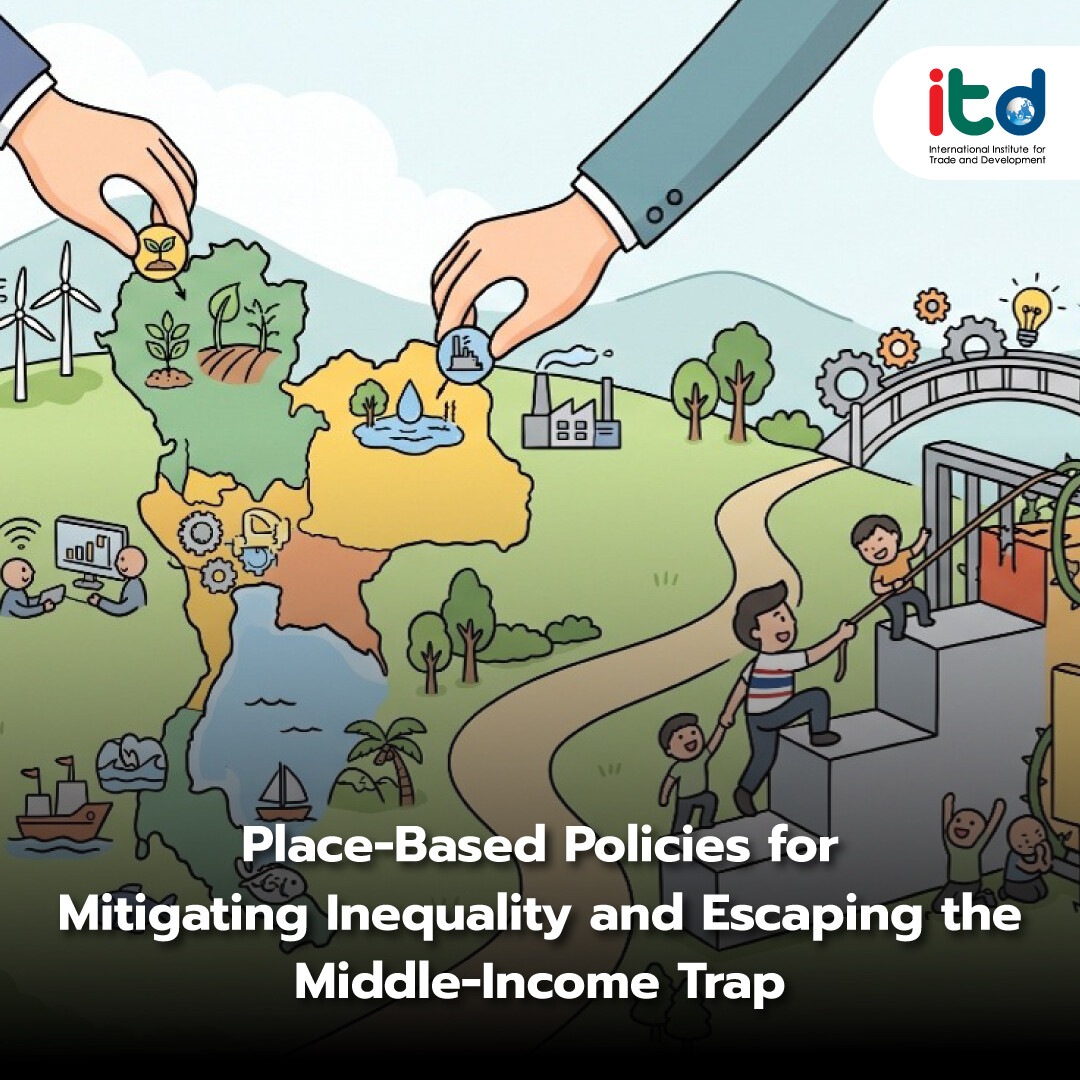
Spatially-blind policies designed to produce uniform national outcomes can no longer address the complexity of local conditions. Without policy adaptation, many areas may become trapped in a “regional development trap,” characterized by the long-term loss of economic dynamism and growth potential.
The Organisation for Economic Co-operation and Development (OECD) argues that governments must adopt “place-based policy” as a main development strategy. This approach can unlock underutilized local potential while reducing spatial mismatches between labor markets and business sectors.
The OECD framework consists of four key pillars. First, policies must target local potential more precisely by incorporating foresight into development planning. Second, governments should strengthen cross-sectoral policy coherence in order to reduce duplication and fragmentation.
Third, implementation mechanisms must be effective, with transparent resource allocation aligned with the scale and needs of each area. Finally, governments should reinforce multi-level governance systems that connect central and local administrations more effectively.
China provides an important case study in the application of place-based policy through the reform initiative known as “Fang Guan Fu” (decentralize, manage, and service reforms), introduced in 2015. The reform reduced excessive centralization and granted greater autonomy to local authorities to promote innovation.
A major component of the reform was the integration of regulatory data systems through the use of Big Data technologies, with the State Administration for Market Regulation (SAMR) serving as the central coordinating institution. The primary objective was to consolidate market regulatory functions and authority within a single agency in order to reduce overlapping responsibilities and institutional conflicts among central government bodies.
In addition, China established 165 Cross-border E-commerce Comprehensive Pilot Zones across the country, each adopting different implementation models. This policy not only increased export performance in host cities, but also generated positive spillover effects for neighboring cities outside the pilot zones.
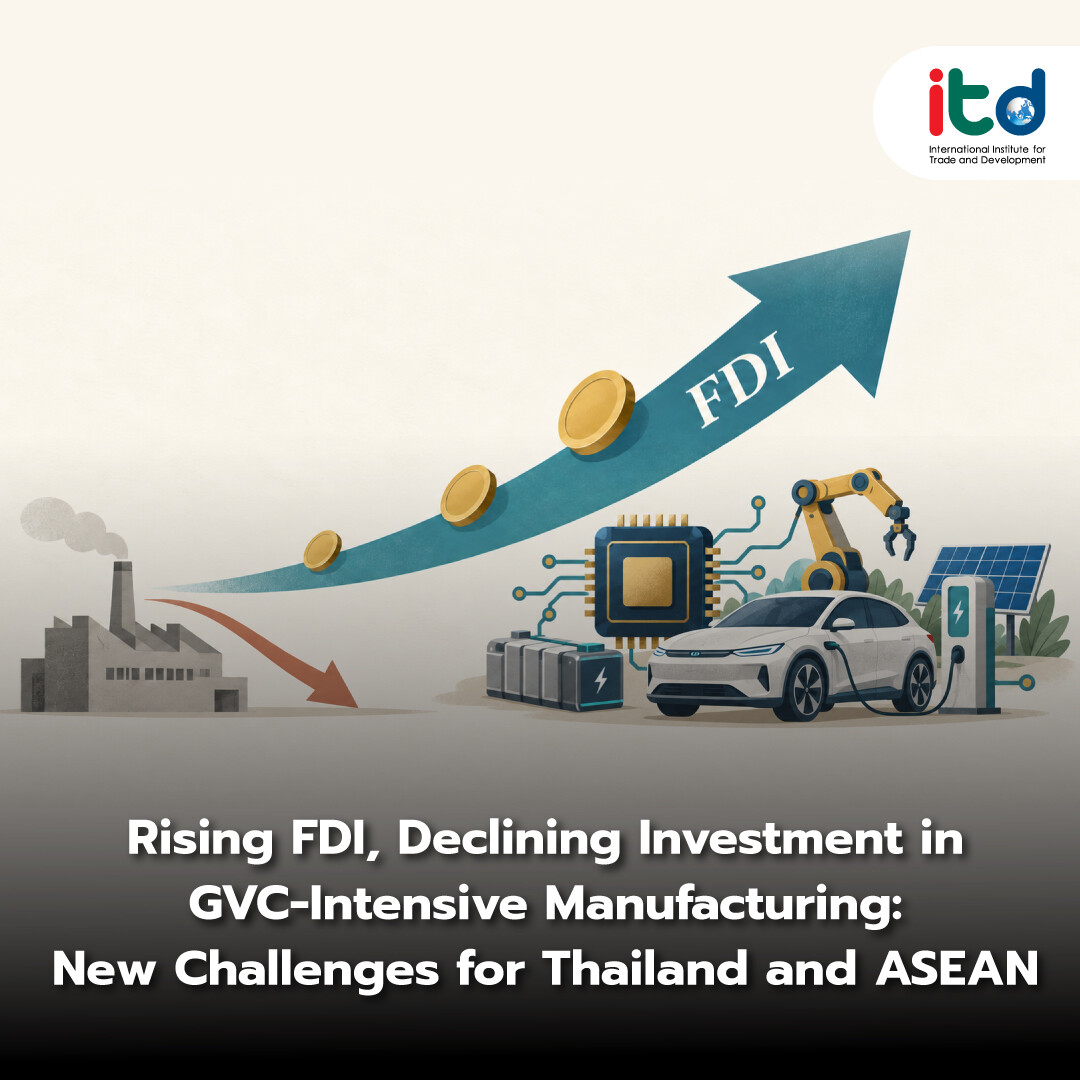
Within the ASEAN context, deeper regional economic integration requires interconnected place-based policies that operate across national borders. Governments in member states should avoid relying solely on competitive tax reduction strategies to attract foreign investment, as such approaches may lead to a “race to the bottom.”
Instead, ASEAN countries should prioritize investment in improving local public goods and services. The development of interconnected technological, logistics, and clean energy infrastructure would strengthen regional value chain networks and improve long-term economic resilience.
For Thailand, overcoming the development trap requires serious public sector reform and meaningful decentralization. At the same time, the country must strengthen the capacity of “place-based leaders.” These actors include representatives from the central government, local administrations, and the private sector, all of whom play a critical role in building coalitions to drive policy implementation.
Thailand should also upgrade its special economic zones by integrating Single Window trade systems with offline infrastructure development. Applying the principles of the Fang Guan Fu approach to reduce bureaucratic redundancy would lower transaction costs and improve the country’s attractiveness for future investment.
Ultimately, if Thailand can implement place-based policy in an integrated manner while recognizing the distinct identity and potential of local areas, the country will not only reduce domestic inequality, but also emerge as a new regional economic hub capable of adapting to global uncertainty with resilience and stability.
Author:
Dr. Punrop Rajapongsa
Director, Office of Research Development and Promotion
International Institute for Trade and Development (ITD)
www.itd.or.th
Publication: Bangkok BIZ Newspaper
Section: First Section/World Beat
Volume: 39 Issue: 13166
Date: Wednesday, May 20, 2026
Page: 8 (bottom)
Column: “Asean Insight”