1345
1345 


About Documents
Human production and consumption rely heavily on natural resources, even as those resources are rapidly being depleted. According to the United Nations, if the global population reaches 9.8 billion by 2050, the level of consumption would require the equivalent of three planets’ worth of resources. This highlights how economic and social development taxes the environment.
Irresponsible consumption has led to significant environmental damage. For example, in 2022, food waste from the retail, food service, and household sectors reached 1.05 billion tons per year, equivalent to one-fifth of all food consumed. Additionally, electronic waste reached 62 million tons, yet only 22.3% of it was properly collected and processed in an environmentally friendly way.
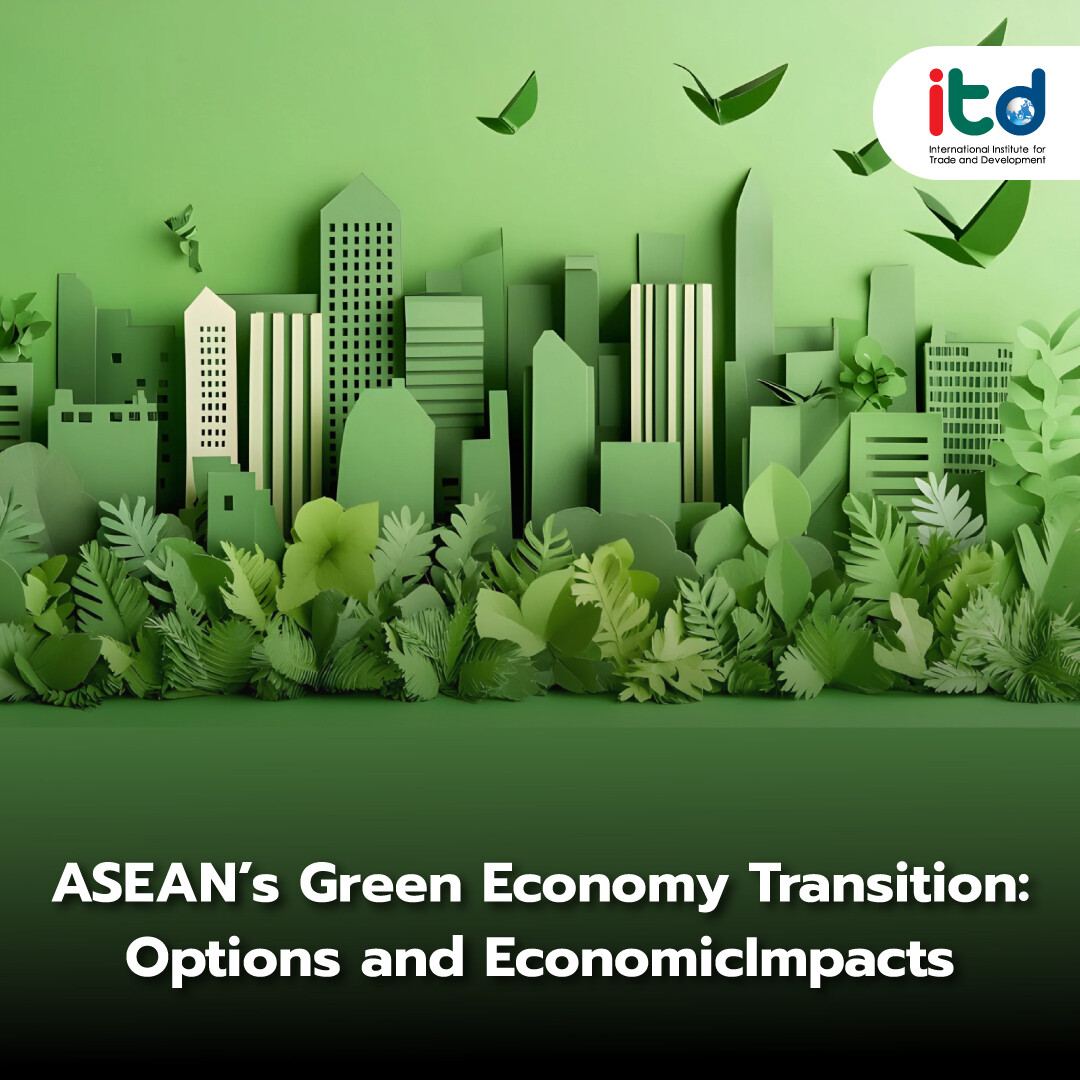
Due to the impact of environmental issues, the global community has become increasingly aware of the need to address these issues, leading to the adoption of the concept of Sustainable Consumption and Production (SCP). This approach aims to minimize environmental impact while supporting economic growth.
As of 2024, there were 530 SCP-related policies across 71 countries, a 6% increase from 2023. Notably, Europe and Central Asia saw the largest growth in such policies. In sustainable public procurement, the number of countries reporting related policies rose from 40 in 2020 to 67 in 2022, and this number is expected to increase further by 2025.
The trend of sustainable consumption continues to gain popularity. Around 45% of global consumers actively seek to make a positive environmental impact. Consumers increasingly demand high-quality, sustainably designed products and are willing to pay higher, fair prices. Transparency and supply chain traceability are also critical, allowing consumers to verify the source and sustainability of the products they purchase.
Today’s consumers are more aware of the effects of environmental issues, especially climate change. This awareness is a key factor driving sustainable consumption, even amid concerns over the cost of living. According to PwC, over 80% of consumers are willing to pay more for sustainably produced or sourced products. Some are prepared to pay up to 9.7% more for sustainable goods, such as those made locally, from recycled/eco-friendly materials, or with a low-carbon supply chain.
A survey by Bain & Company found that 90% of consumers in Asia are willing to pay a premium for environmentally friendly products, and 40% intend to increase their spending on sustainability-related products over the next three years.
SCP is a key area of focus for ASEAN, with strong commitments to regional cooperation aimed at promoting SCP and transitioning toward a circular economy, in line with the ASEAN Socio-Cultural Community Blueprint 2025 and the ASEAN Strategic Plan on Environment (ASPEN 2016–2025). ASEAN has also developed an SCP Framework and a Toolkit on Sustainable Consumption to support implementation. The ASEAN Community Vision 2045 also further emphasizes sustainability throughout value chains and across sectors.
Sustainable consumption is also becoming a shared value among consumers in ASEAN. A Visa survey showed that 39% of consumers in Malaysia are working to reduce the environmental impact of their consumption, while 41% have plans for sustainable consumption. A survey by Alibaba found that consumers, especially in the Philippines and Indonesia, want more information on sustainability, and most consumers in the Philippines, Indonesia, and Thailand aim to lead more sustainable lifestyles.
Furthermore, many countries have introduced strong policy mechanisms to support SCP. The European Union, in particular, has adopted trade-related tools such as the EU Deforestation Regulation (EUDR), the Carbon Border Adjustment Mechanism (CBAM), and the Corporate Sustainability Due Diligence Directive (CSDDD), which present additional challenges for businesses seeking access to international markets.
Growing environmental awareness among consumers has led to greater consideration of sustainability when purchasing goods and services, even at higher prices. The global supply chain is also adapting to become more sustainable. This shift in consumption behavior makes sustainable production a necessity for businesses. At the same time, it opens up new opportunities in the green product market, particularly for ASEAN entrepreneurs aiming to reach high-purchasing-power consumer segments.
Author:
Ms. Patcha Thamrong-ajariyakun
Senior Researcher
International Institute for Trade and Development (Public Organization)
www.itd.or.th
Publication: Bangkok BIZ Newspaper
Section: First Section/World Beat
Volume: 38 Issue: 13001
Date: Wednesday, Oct. 1, 2025
Page: 8 (bottom-left)
Column: “Asean Insight”