 440
440 


About Documents
Ice cream is a dessert that enjoys widespread popularity among consumers of all age groups. Today, ice cream is available in a wide variety of forms, ranging from ice pops with an icy texture and creamy ice cream to soft serve and sherbet, each offering distinct textures and flavors.
The diversity of ice cream types and textures means that ice cream is not simply a single type of dessert, but rather a market encompassing a wide range of products, from affordable offerings to premium ice cream. These products differ in terms of ingredients, production processes, texture, and price points.
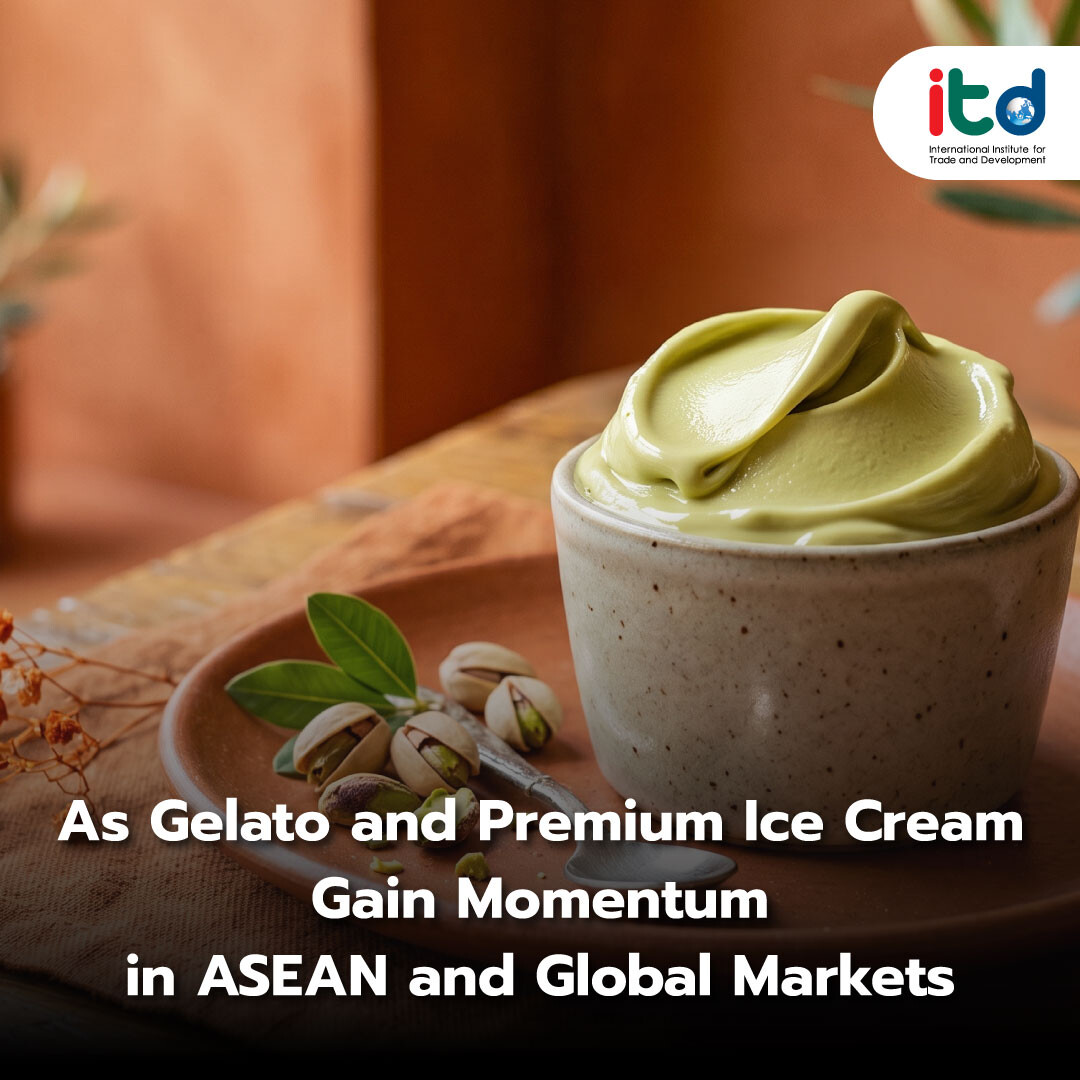
One of the distinctive products in the premium ice cream market is “Gelato,” an Italian-style ice cream known for its rich, smooth, and denser texture compared with conventional ice cream, along with intense and well-defined flavors.
Gelato originated in Italy. The Italian word “Gelato” generally means “ice cream” and has etymological roots associated with the meaning “frozen.” However, in English, the term Gelato is commonly used to describe Italian-style ice cream with distinctive characteristics in terms of its ingredients, production processes, and texture, which differ from conventional ice cream.
In terms of the market, the gelato industry has continued to show steady growth. According to the Strategy and Stats Insider Gelato Market Report, the global gelato market was valued at more than USD 27.39 billion in 2025 and is projected to increase to USD 29.18 billion in 2026. This reflects the continued expansion of the premium ice cream and dessert market.
The gelato market is distributed across various regions worldwide. The North American market was valued at approximately USD 5.01 billion in 2025 and is projected to grow to USD 9.45 billion by 2035. International brands such as Talenti and Häagen-Dazs are among the key players contributing to the growth of the market in the region.
Meanwhile, Europe remains a major market for the gelato industry. In 2025, the European region accounted for approximately 43% of global gelato market revenue. Italy, in particular, is regarded as the birthplace of gelato and an important hub of gelato culture. Today, Italy has more than 39,000 traditional gelato shops, or artisanal gelaterie. Combined with strong domestic consumption and a high number of international tourists, Italy’s gelato market continues to demonstrate strong potential for sustained growth.
Turning to the ASEAN region, the gelato and ice cream market is also showing continued growth, keeping pace with other regions. According to ThaiFEX – Horec Asia, the gelato and ice cream market in Southeast Asia was valued at approximately USD 7,172.68 million in 2022 and is projected to increase to USD 9,529.27 million by 2028.
However, the Southeast Asian market remains relatively fragmented. Although there are major global and regional players such as Nestlé, Lotte Corporation, General Mills, and Unilever, no single operator has yet been able to dominate the market entirely. This characteristic reflects an open competitive landscape and opportunities for new market entrants to differentiate themselves through niche products, particularly in the premium gelato and ice cream market. Businesses that can respond quickly to consumer trends in Asia and ASEAN, whether through novel flavors or production innovations that create new textures, such as smooth, rich, and creamy ice cream, have opportunities to establish differentiation and competitive advantages in this growing market. In addition, the year-round hot climate in many Southeast Asian countries continues to support growing demand for ice cream consumption, making the region a market with strong potential for future product development and investment.
It is evident that the ice cream market, as part of the Food and Beverage industry, continues to offer significant business opportunities, particularly for entrepreneurs who can respond to consumer needs and introduce novelty into their products. In some cases, consuming ice cream may simply be a one-time experience that ends after consumption. On the other hand, ice cream can become a brand’s “Signature,” creating a memorable experience that encourages consumers to return and make repeat purchases. Success therefore depends on how a brand positions itself (Brand Positioning), whether it seeks to differentiate through innovation, flavors, accessibility, price, or premium positioning and how it can capitalize on the region’s growth momentum. This remains a key question.
Mr. Woraphat Ditpan
Researcher
International Institute for Trade and Development (ITD)
www.itd.or.th
Publication: Bangkok BIZ Newspaper
Section: First Section/World Beat
Volume: 39 Issue: 13231
Date: Wednesday, Aug. 19, 2026
Page: 8 (bottom-right)
Column: “Asean Insight”